Building AI on ESP32, STM32, and Edge Devices
Picking hardware, shrinking models, and shipping real-time inference without the cloud.
Read More
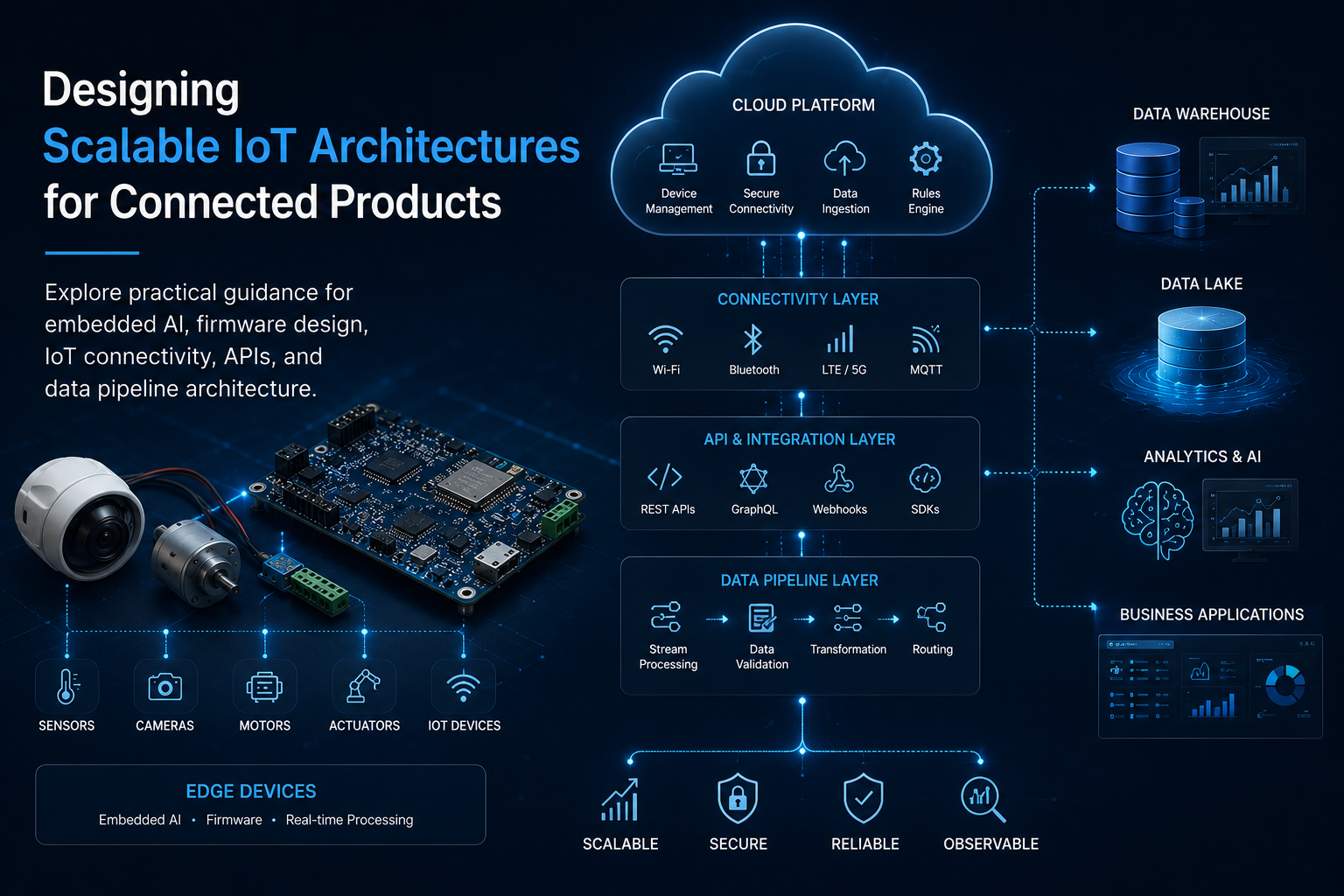
Most connected products start the same way: a handful of prototype devices talking directly to a backend API, storing readings straight into a database, and a small dashboard to look at the results. That architecture is genuinely the right choice for a pilot. It's fast to build, easy to debug, and gets a product in front of real users quickly.
The problem is that very few teams revisit that architecture before it has to carry real production load, and by then the device firmware, the mobile app, and the backend are all coupled to assumptions that don't scale. Designing for scale from the start doesn't mean over-engineering a pilot. It means knowing which decisions are cheap to change later and which ones aren't.
Whether it's explicit in the architecture diagram or not, every IoT product has four layers, and treating them as genuinely separate concerns is what makes a system scale cleanly:
Protocol choice gets debated more than it deserves, but it does matter once a fleet grows. The three options we reach for most often each solve a different problem:
Onboarding device #10 by hand is fine. Onboarding device #10,000 by hand isn't a process, it's a liability. Scalable provisioning means every device gets a unique cryptographic identity at manufacturing time, not a shared credential baked into firmware. It means certificate rotation is automated, not a support ticket. And it means firmware updates roll out in stages, to a small percentage of the fleet first, with automatic rollback if error rates spike, rather than pushing to every device at once and hoping.
This is one of the areas where the cost of skipping it compounds quietly. A shared device credential is invisible technical debt right up until it's a security incident.
Encrypting the connection between a device and the backend is necessary but not sufficient. Real device security spans the full lifecycle: attested boot so a device can prove it's running genuine firmware, encrypted transport for every message, least-privilege access so a compromised device can only publish to its own topics, and a patching process that can actually reach the fleet when a vulnerability is found.
We treat this as core architecture, not a hardening pass at the end of the project, because retrofitting device identity and secure provisioning onto a fleet that's already in the field is dramatically more expensive than designing it in from the start.
A prototype only has to work once, on your bench. A product has to keep working on ten thousand benches you'll never see.
A few patterns reliably predict trouble before a fleet grows past a few hundred devices:
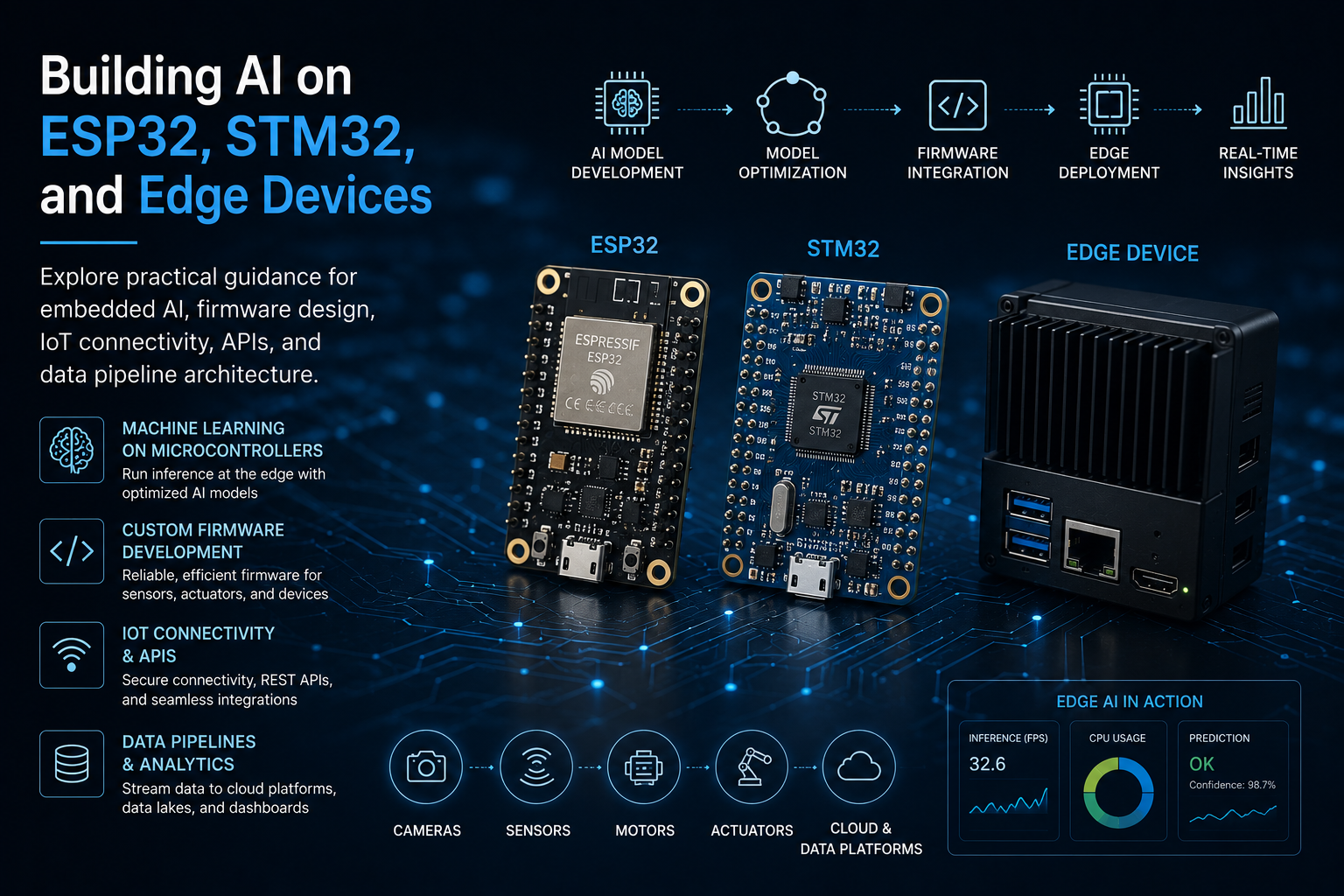
Picking hardware, shrinking models, and shipping real-time inference without the cloud.
Read More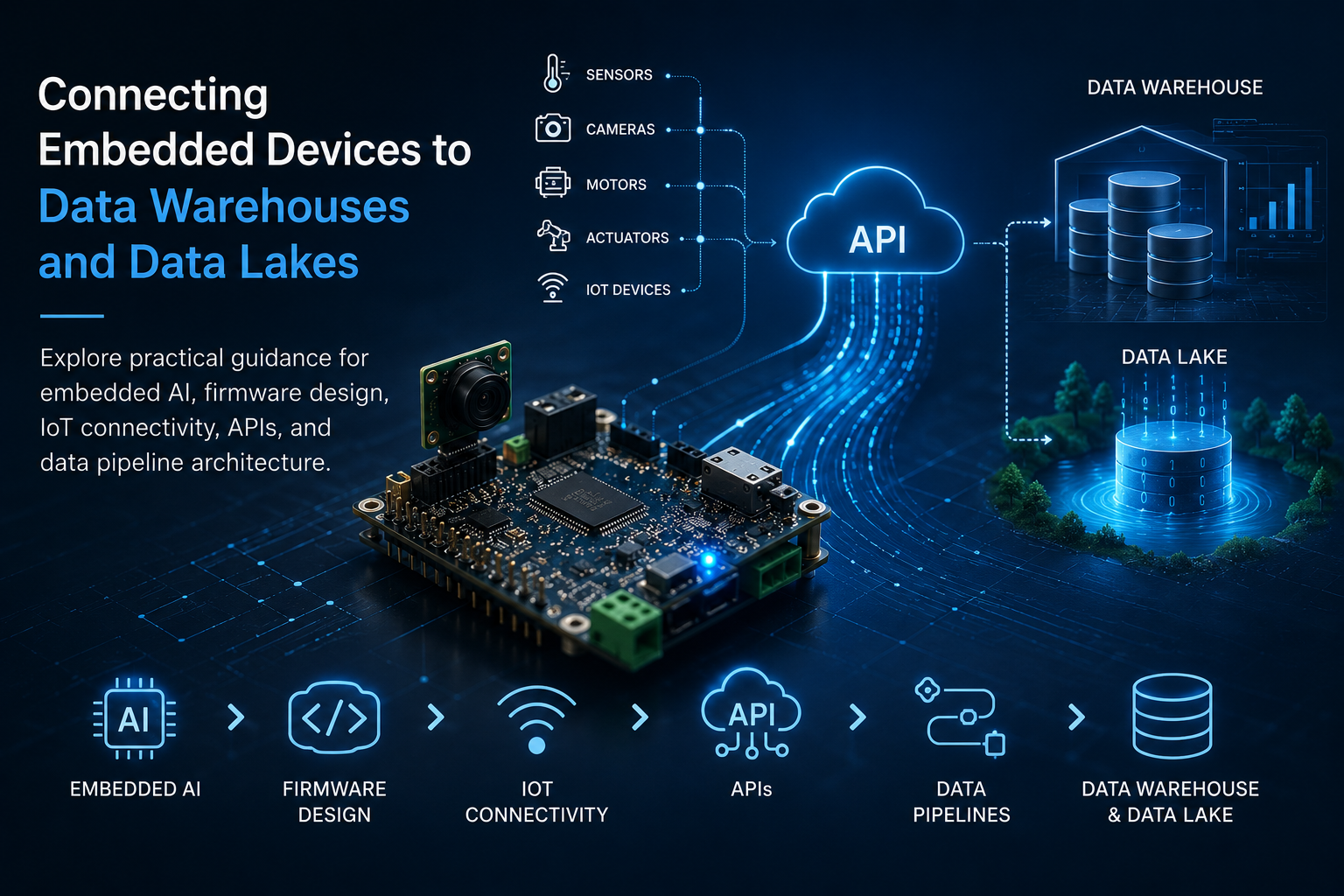
Device telemetry pipelines feeding Snowflake, SQL Server, PostgreSQL, and cloud data platforms.
Read More
Sentrivo engineers intelligent systems that connect edge devices, telemetry, observability, enterprise data, and AI—turning signals into action.
Copyright © Sentrivo. Embedded AI. Intelligent Devices. Connected Data.